Aggiungere: NYaqian Road No128 Yaqian Town Xiaoshan Hangzhou Zhe Jiang Cina.
Tel: 0086-0571-82602080
Fax: 0086-0571-82758132
E-mail: [email protected]
Il costo di produzione di filato testurizzato stirato di poliestere è determinato da una combinazione di input di materie prime, consumo di energia, utilizzo delle attrezzature, efficienza della manodopera e sistemi di controllo della qualità. A differenza dei filati convenzionali, la produzione DTY prevede processi di trafilatura, testurizzazione e termofissaggio, ciascuno dei quali contribuisce sia ai costi operativi che alle prestazioni finali del filato.
Comprendere questi fattori di costo è essenziale per i produttori che cercano Filato di poliestere DTY conveniente pur mantenendo proprietà meccaniche ed estetiche costanti.
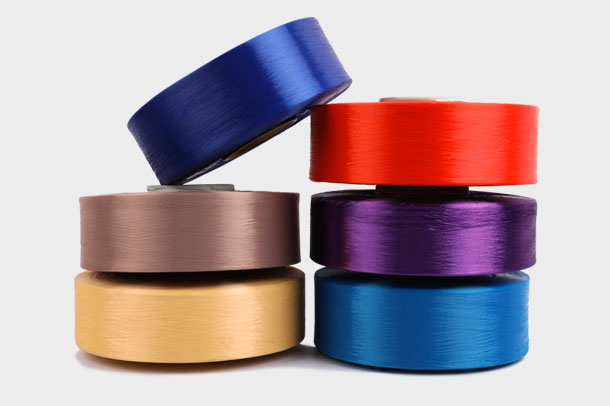
La qualità del polimero poliestere e la consistenza del POY influiscono direttamente sull'efficienza di conversione del DTY. Le variazioni nella gamma dei denari, nel numero di filamenti e nel design della sezione trasversale influenzano sia la stabilità di lavorazione che la resa.
| Fattore | Impatto sui costi inferiori | Maggiore impatto sui costi |
| Uniformità POY | Elaborazione stabile | Pause frequenti |
| Gamma di denari | Conteggi standard | Titoli speciali fini o grossolani |
| Tipo di colore | Bianco grezzo | Tinto in massa |
La selezione ottimizzata delle materie prime riduce le perdite a valle ed è un elemento chiave nel controllo fattori di costo di produzione del poliestere DTY .
Il rapporto di stiro, la velocità di testurizzazione, la temperatura del riscaldatore e le condizioni di raffreddamento influenzano il consumo di energia e le prestazioni del filato. Impostazioni errate dei parametri aumentano il consumo energetico e aumentano il tasso di difetti.
| Parametro | Impostazione ottimizzata | Impostazione non ottimizzata |
| Temperatura del riscaldatore | Cristallizzazione stabile | Perdita di energia per surriscaldamento |
| Velocità di texturizzazione | Uscita equilibrata | Elevato rischio di rottura |
| Efficienza di raffreddamento | Struttura del filato uniforme | Elasticità incoerente |
Il controllo energetico gioca un ruolo fondamentale consumo energetico nella produzione DTY del poliestere , soprattutto per operazioni continue su larga scala.
Le moderne apparecchiature DTY con prestazioni stabili del mandrino e controllo preciso della temperatura migliorano significativamente la produzione per unità di tempo. Livelli di automazione più elevati riducono la dipendenza dalla manodopera e migliorano la coerenza.
| Aspetto | Configurazione a bassa efficienza | Configurazione ad alta efficienza |
| Utilizzo della macchina | Funzionamento intermittente | Carico elevato continuo |
| Fabbisogno di lavoro | Alto | Basso |
| Costo unitario | Altoer | Bassoer |
La produzione su scala consente la diluizione dei costi fissi, supportando ottimizzazione del processo di produzione del poliestere DTY .
Il filato difettoso, la rilavorazione e i prodotti di scarsa qualità aumentano significativamente i costi nascosti. Un sistema di controllo qualità stabile riduce al minimo gli sprechi e garantisce prestazioni costanti del filato.
Una gestione efficace della qualità è essenziale per raggiungere questo obiettivo filato di poliestere DTY di alta qualità a basso costo nei mercati competitivi.
Zhejiang Hengyuan Chemical Fiber Group Co., Ltd., fondata nel 2006 a Xiaoshan, Hangzhou, gestisce impianti di produzione integrati di filati e tessuti di poliestere. Con una capacità su larga scala che copre FDY, POY e DTY, il gruppo beneficia di un'allocazione ottimizzata delle risorse e di catene di fornitura interne efficienti.
Questa struttura integrata verticalmente consente un approvvigionamento stabile delle materie prime, un controllo coerente del processo e un rapido adeguamento dei parametri di produzione, consentendo un’ottimizzazione sostenibile dei costi senza compromettere la qualità del filato.
Il consumo di materie prime e di energia insieme rappresentano la maggior parte dei costi di produzione DTY, seguiti dall'ammortamento delle attrezzature e dalla manodopera.
Rapporti di stiro, temperature del riscaldatore e velocità di testurizzazione ottimizzati riducono gli sprechi di energia, minimizzano le rotture del filo e migliorano la stabilità della produzione.
No. Una velocità eccessiva può aumentare i difetti e i tempi di inattività, il che può compensare qualsiasi riduzione teorica dei costi.
L'integrazione riduce i rischi di approvvigionamento esterno, migliora l'efficienza della pianificazione e stabilizza la qualità in tutte le fasi della produzione.
SÌ. Attraverso processi ottimizzati, produzione su larga scala e un rigoroso controllo di qualità, DTY di alta qualità può ottenere prestazioni in termini di costi competitivi.

Zhejiang Hengyuan Chemical Fiber Group Co., Ltd. è un professionista Produttori cinesi di filati di filamenti di poliestere e fornitori di filati colorati in poliestere, Fondata nel 2006, con sede a YaQianTown Xiaoshan Hangzhou, uno dei centri dell'industria dei filati di poliestere in Cina.

Prodotti
Informazioni di contatto
Diritto d'autore © Zhejiang Hengyuan Chemical Fiber Group Co.,Ltd. All rights reserved